
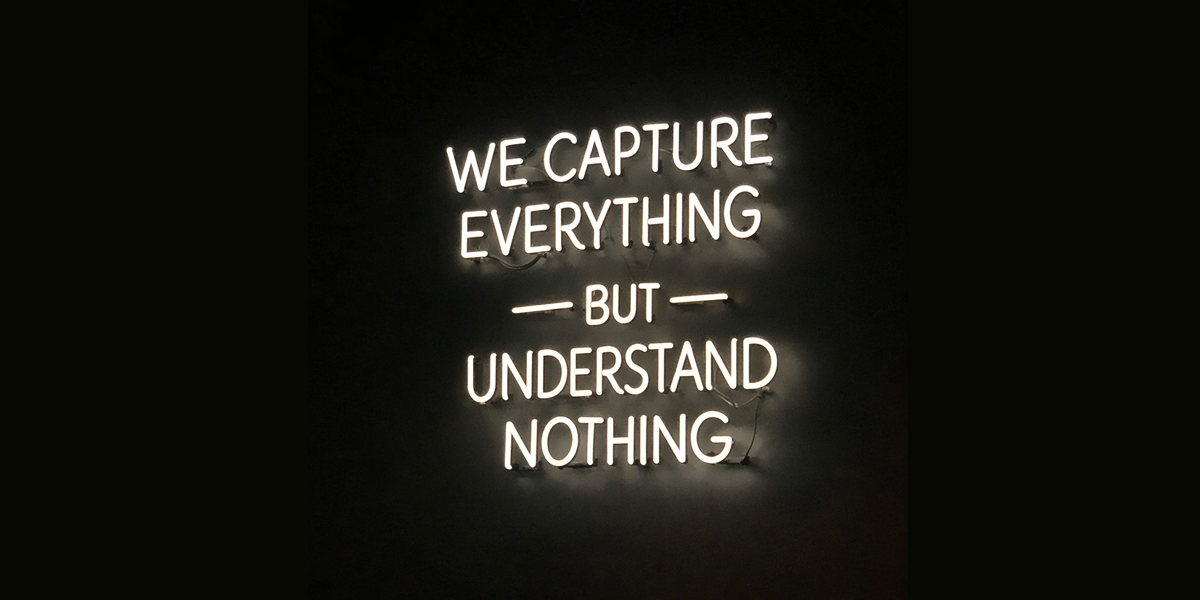
Every day we save information. This includes bookmarks, PDFs, meeting notes, and voice memos. However, most of it is rarely used. As a result, reviewing it often feels useless. In other words, capturing knowledge is not the same as building knowledge.
The Real Problem: Information Without Structure
Modern tools make saving information easy. Examples include screenshots, note apps, and cloud documents. However, this convenience creates many fragments. Therefore, it often leads to information overload.
The real problem is not the amount of information. Instead, the issue is the lack of connection between pieces of knowledge. Consequently, isolated notes become random data. As a result, they are quickly forgotten.
For example, learn more about structuring knowledge: How to Organize Your Notes Effectively.
Why Your Brain Rejects Disconnected Notes
Human memory works best with associations. In fact, we remember information better when it connects to past knowledge. It also helps when ideas link to experiences, patterns, or stories. Otherwise, the brain often ignores the information.
If a note sits in a folder labeled “Interesting Ideas”, there is little reason to review it. As a result, you face the “too many notes problem”. In other words, the more notes you collect, the less useful they become.
The Hidden Cost of Passive Note-Taking
Capturing information is simple. However, the real value comes from four actions:
- Organizing knowledge
- Revisiting ideas
- Testing memory
- Linking related concepts
Otherwise, notes slowly become a digital archive. Few people read it. Therefore, people stop trusting their notes. As a result, they stop writing notes entirely.
From Notes to Knowledge Systems
Instead of storing information randomly, use a personal knowledge system. Many people call this a second brain. In addition, it helps ideas connect and grow. Thus, notes become more useful.
- Ideas grouped by meaning
- Concepts linked together
- Insights revisited regularly
- Reminders bring forgotten ideas back
The goal is not to store everything. Instead, keep only what is worth remembering. For example, see Guide to Building a Knowledge System.
Active Learning Beats Passive Note-Taking
Traditional learning relied on repetition and discussion. Meanwhile, many modern tools removed these layers. Therefore, capturing information is easy. Thinking about it is optional. As a result, active learning strategies are more important than ever.
Active learning strategies include:
- Active recall
- Spaced repetition
- Knowledge linking
- Idea mapping
- Audio reflections
- Structured learning blocks
Knowledge becomes powerful only when it returns to your mind at the right time. Additionally, learn more about memory techniques: Scientific American Memory Tips.
A Simple Question That Changes How You Take Notes
Instead of asking, “Where should I save this?”, ask a different question. “Will I think about this again?” If not, do not save it. But if the answer is yes, store it in a system that helps you:
- Revisit
- Connect
- Refine
- Remember
The true purpose of notes is not storage. It is thinking. In other words, notes should trigger ideas. They should not just sit in a folder.

The Real Value of a Knowledge System
When information is organized, ideas start interacting. Concepts combine. New insights appear unexpectedly. Thus, notes stop being just notes. They become knowledge.
Leave a Reply